
Playground Marking Trends: What Schools Are Choosing and Why
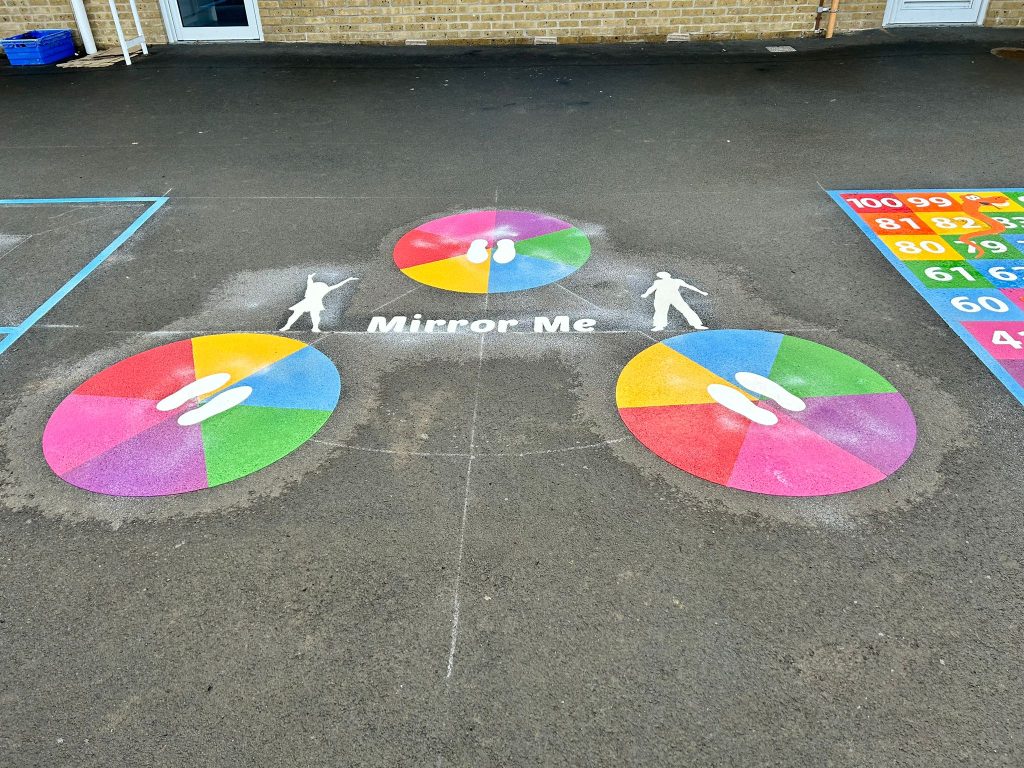
The main playground marking trends in UK schools are outdoor learning designs, inclusive and sensory markings, 3D designs, themed and storytelling playgrounds and active sports and fitness markings, and more schools are choosing thermoplastic rather than paint to install them. Schools increasingly treat the playground as an extension of the classroom, so markings are chosen to teach, include and get children moving, not only to brighten up the tarmac.
Our design and installation team works on school, nursery and council playgrounds across the UK, and these are the trends we see shaping the projects we are asked to quote for, along with the reasons behind them.
What are the main playground marking trends in UK schools?
The main playground marking trends in UK schools are a move from paint to thermoplastic, markings that support classroom learning, inclusive and sensory designs, 3D markings, themed playgrounds and markings that build physical activity into the school day. Most schools now combine several of these rather than choosing one.
- Thermoplastic instead of paint: durable, slip resistant markings that keep their colour.
- Learning through play: maths, literacy, maps and timelines on the playground surface.
- Inclusive and sensory play: sensory paths, calmer zones and designs every child can use.
- 3D playground markings: 3D fitness trails, targets and compasses.
- Themed and storytelling playgrounds: pirates, farms, space, storybooks, nature and culture.
- Sports and active play: courts, running tracks, fitness trails and social games.
Why are schools replacing painted playground markings with thermoplastic?
Schools are replacing painted playground markings with thermoplastic because thermoplastic lasts far longer, needs very little maintenance, stays bright in all weathers and is slip resistant, so the playground looks and performs well for years instead of fading within a few seasons.
Durability and low maintenance
Painted markings can fade and wear away quickly under weather and heavy use. Our thermoplastic markings are made from durable plastic polymers, pre-cut and melted onto the playground surface by our installation team. Once installed they bond to the asphalt or concrete, creating a permanent, wear-resistant layer that stands up to harsh weather and heavy foot traffic.
That durability means lower maintenance costs over time, because schools do not need frequent touch-ups or replacements. Our markings carry a manufacturer's warranty of up to 4 years, subject to ground condition, and we have seen them last over 10 years.
Safety and visibility
Thermoplastic is slip resistant and comes in bright colours that hold their intensity even with prolonged exposure to UV light, so markings stay easy for children to see. The brightness and contrast make markings easy for children to see, which reduces the risk of accidents and collisions. Thermoplastic can also be applied with slightly raised textures that give extra grip in busy areas of the playground, which matters as the seasons change and surfaces get wet.
Design freedom
Thermoplastic can be produced in a wide range of colours and cut into almost any shape or size, which is what makes the other trends on this page possible. Our designers can produce maps, traditional games, sports courts and sensory paths, as well as fully bespoke artwork in school colours. You can see examples across our range of thermoplastic playground markings.
Quick installation
Thermoplastic markings can be installed at any time of year when the ground is suitable, and they are ready to use within 30 minutes, so a playground can be back in use the same day.
Environmental impact
As schools look more closely at sustainable materials, thermoplastic has an advantage: many thermoplastic products are made from recyclable materials and are recyclable themselves at the end of their life, which reduces the need for new raw materials.
How are educational playground markings turning playgrounds into outdoor classrooms?
Educational playground markings turn playgrounds into outdoor classrooms by putting curriculum content, such as number grids, alphabets, maps of the world, multiplication tables and historical timelines, directly onto the playground surface, so pupils revisit classroom topics while they play.
Numeracy and alphabet markings are a popular way to introduce younger learners to maths and phonics, and they can be customised to match a school's curriculum. Teachers then use the same markings for outdoor lessons. Because pupils learn by moving, talking and playing, these markings also suit a wider range of learning styles than a worksheet, which makes learning more accessible for children who find the classroom harder.
Some schools go further and plan storytelling corners and outdoor teaching spaces where a whole class can gather, so playtime and lesson time share the same space.
How are inclusive and sensory playground markings changing playground design?
Inclusive and sensory playground markings are changing playground design by making sure children of all abilities, including those with physical or sensory impairments, can take part in play, rather than designing for the most confident players and leaving others at the edge.
Inclusive design shows up on the playground in several ways:
- Sensory paths and trails that help children develop gross and fine motor skills, language, self-calming skills and coordination.
- Mazes and puzzle markings that build problem solving and spatial awareness.
- Wide, easy to follow pathways that suit children with different ranges of movement.
- Calmer areas and quieter routes for children who need to play without becoming overwhelmed, including many children on the autism spectrum.
- Universal symbols that children can understand regardless of language or reading level.
- Designs for every stage of play, from solitary and onlooker play through to associative and cooperative play, so children can join in at their own level.
Our sensory and SEND playground markings are designed with these needs in mind, and many schools now plan a sensory or calm zone alongside their busier games areas.
Why are 3D playground markings becoming popular in schools?
3D playground markings are becoming popular because their colourful designs make break times more inviting while building speed, balance, agility and coordination, and teachers can use them in PE lessons and classroom subjects as well as at play.
A 3D fitness trail, for example, has sections for sprinting to build speed, jumping to improve balance and an agility ladder for coordination. Practising these movements in a relaxed space helps children grow more physically confident, and they often invent new games on the trail too. In one of our 3D playground marking case studies, a school created its own agility circuit for the playground.
PE teachers can use part or all of a 3D trail in lessons such as circuit training. The painted 3D rings section works well for agility drills with footballs or basketballs, and the trail makes a useful warm-up circuit before hockey, rounders, cricket and other PE activities. Designs such as the 3D clock target and 3D compass also bring maths and geography outside. You can browse the full range of 3D playground markings to see the designs available.
Bright colour plays a part as well. A colourful playground feels more friendly and welcoming, which can give quieter children the confidence to join group games.
Why are themed and storytelling playgrounds a growing trend?
Themed and storytelling playgrounds are a growing trend because a strong theme sparks imaginative play, gives children a story to act out together and can carry educational content at the same time, from road safety to history and the natural world.
Themes we are often asked for include:
- Storybook and fantasy themes: pirate hideouts, adventure islands, enchanted forests and space adventures that give children a setting for their own stories.
- Transport themes: trains, fire engines and roadways. A playground next to a road can use roadway markings to teach pedestrian and cycle safety.
- Farm and nature themes: meadows, underwater scenes and animal footprints that start conversations about the environment and wildlife.
- Cultural themes: traditional patterns and global landmarks that introduce children to cultures from around the world.
- Destination designs: larger themed schemes for parks and community spaces that become a place families choose to visit.
Themes work on both large and small playgrounds, and a theme is not limited to creative play. Cultural and historical elements, maps and timelines can all sit within the same design.
How are sports and active play markings being used in schools?
Sports and active play markings are being used to build more physical activity into the school day, with courts, running tracks and fitness trails used in PE lessons and clubs, and social games such as mazes, targets and life-sized board games used at break times.
- Sports courts: basketball, football, tennis and volleyball courts, which can be combined into multi-use layouts where space is tight.
- Track and athletics markings: running tracks and Daily Mile tracks that make regular running easy to organise.
- Social development markings: mazes, targets, maps and life-sized board games that encourage teamwork, hand-eye coordination and fine motor skills without the competitive pressure of sport.
- Safety and navigation markings: arrows, footprints and traffic-style markings that guide children around the playground and build spatial awareness.
How can a school choose playground markings that stay relevant for years?
A school can choose playground markings that stay relevant by involving teachers and pupils in the design, zoning the playground for different types of play and picking flexible designs that can be used for many games and lessons, not just one.
- Involve staff early. Getting a number of staff involved helps the school agree what it needs most, whether that is PE, maths, geography or calmer play.
- Ask the pupils. Feedback from children about what they enjoy often inspires the most popular features.
- Zone the space. Separate active games, quieter areas and learning markings so different groups can play at once.
- Choose adaptable designs. Grids, trails, maps and courts can be used in many ways as the curriculum and pupils change.
If you would like to talk through a playground project, our in-house team designs and installs playground markings for schools throughout the UK. You can request a site visit and a quote, call us on 0333 321 6699, email [email protected] or contact us online.
Ready to transform your playground?
A free design and a detailed quote, with no hidden costs and our price match promise.
All prices include installation, and every quote is fully itemised.
- Free design and site survey
- No obligation
- Our own in-house installation team
More from the blog
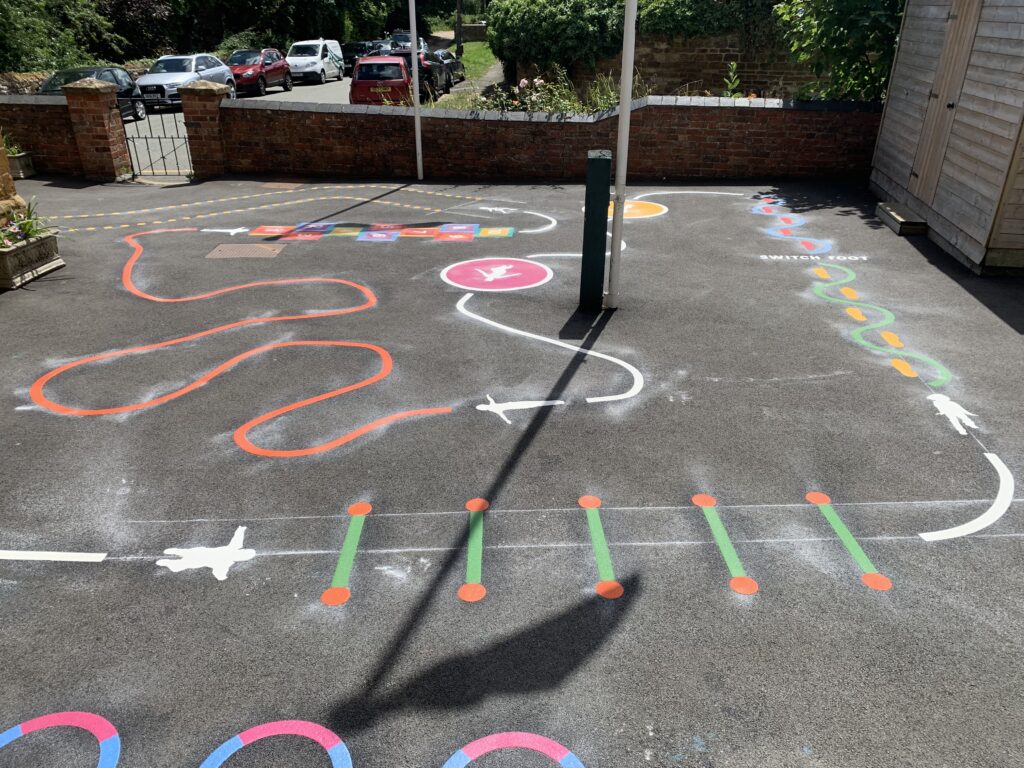
Playground Trails: Types, Benefits and Ideas for Schools
Playground trails explained: the main trail types, how they support fitness and learning, and how schools and nurseries can plan and use them.
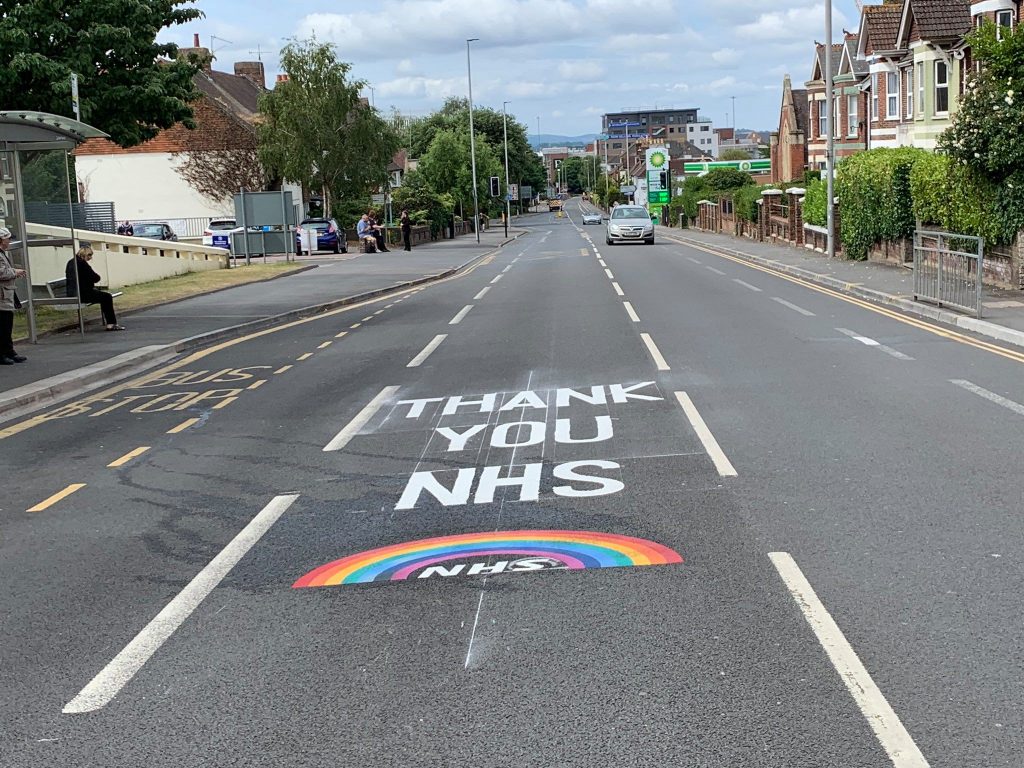
Preformed Thermoplastic Markings: Why Choose Them Over Paint
What preformed thermoplastic is, why it outperforms line paint on precision and durability, and how it improves pedestrian safety outside schools.
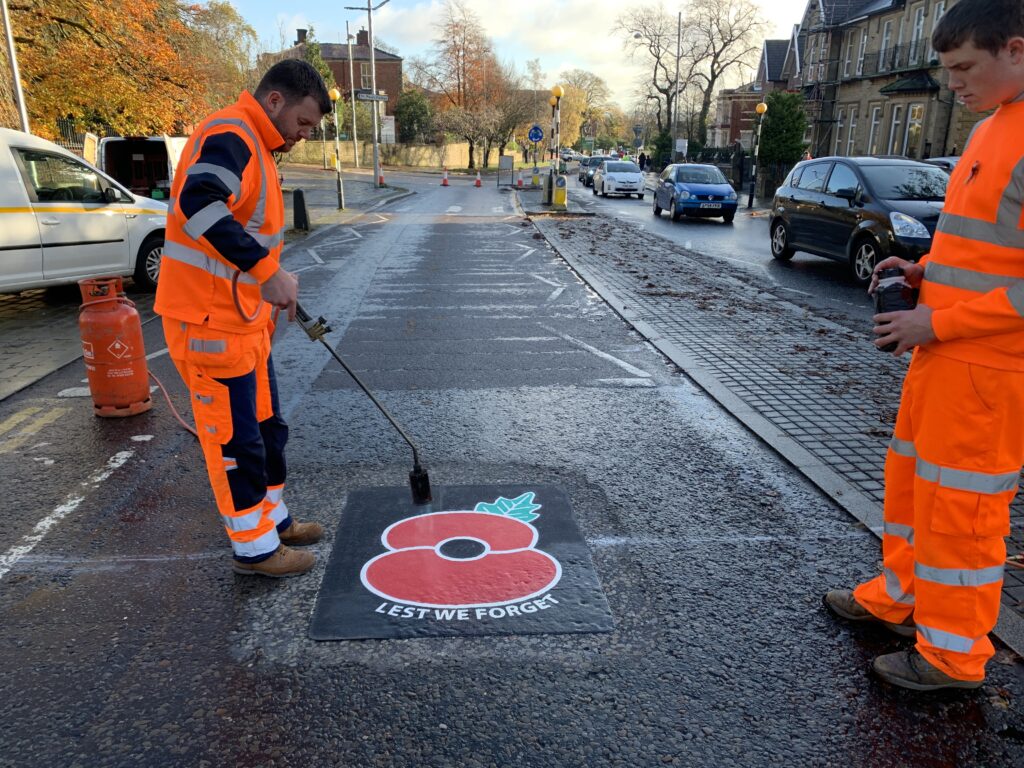
Reasons to Install Bespoke Outdoor Floor Markings for Your Business
Bespoke outdoor markings can help your business stand out and even go a long way in supporting your advertising efforts. Business owners across the UK are